Aave's founder is criticizing EU proposals that could extend stablecoin yield limits and add new controls on DeFi access, a debate that may shape European crypto rules.
The SEC has greenlit triple-leveraged Bitcoin and Ether exchange-traded products, adding new high-octane instruments for traders. This deepens the US product suite and draws more volume into regulated venues, though leveraged products can amplify selling pressure during drawdowns too.
Analysis of the SEC's new custody proposal suggests compliance costs could run above $433,000 annually per adviser, before tech spending, which may concentrate Bitcoin advice services among large firms only. Smaller advisers may simply avoid offering crypto to clients.
The European Central Bank wants Brussels to broaden the MiCA rule that bans yield on stablecoins, facing opposition from Circle, Aave, and over 50,000 EU citizens. A tighter stablecoin regime in Europe would slow adoption of dollar-denominated crypto products there.
European regulators are scrutinising Binance's continued use of an exemption to operate in the EU. If that exemption is pulled, Binance faces a significant restriction in a major market, which would affect user access and could shake confidence in the exchange.
The IMF chose to overlook El Salvador's earlier deviation from its Bitcoin commitments and unlocked the next tranche of its loan program. The waiver shows flexibility on the IMF's part but the no-new-buying condition remains firmly in place.
El Salvador accepted a condition from the IMF to halt further government Bitcoin purchases in exchange for a $138 million loan tranche. The country will keep its existing stack but this closes off a headline buyer and mutes a narrative that had been useful for Bitcoin.
OFAC designated a large Russia-linked crypto payment network on October 1, citing USDT as the primary tool for moving funds around sanctions. These actions add pressure on Tether and raise the possibility of tighter stablecoin enforcement rules down the line.
The SEC's proposed custody framework, first published Thursday, is continuing to generate coverage and analysis today, keeping the regulatory positive front-of-mind. The comment period opens a window for the industry to shape the final rules.
The IMF wants El Salvador to change several Bitcoin policies before it releases a $1.4B loan, a sign of continued pressure on national Bitcoin adoption.
The SEC chair said federal securities rules have not kept up with Bitcoin and proposed new custody rules, a shift that could ease institutional access.
The SEC has proposed a new framework letting registered advisers and funds use state trust companies or even self-custody for crypto. This directly removes a legal grey area that has kept a large pool of advisory money on the sidelines, and could unlock meaningful new institutional buying.
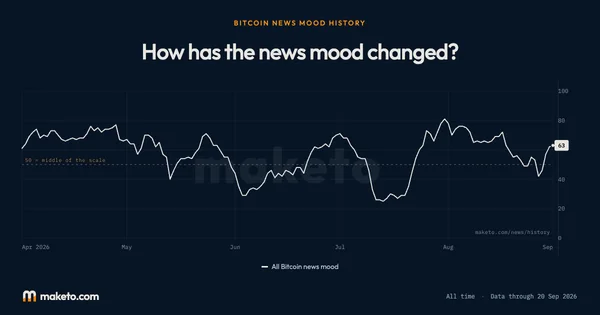
Bitcoin regulation news reads 55 out of 100, Mixed, across the 40 biggest of 107 stories from the last 14 days as of .
What this number means
A score from 0 to 100 for how the last two weeks of policy and court coverage reads. 50 is the middle. Above it the balance is helping Bitcoin's price, below it the balance is hurting it.
What counts as a regulation story
Bills, votes, court rulings, agency statements, enforcement actions and tax decisions, wherever in the world they happen. A proposal and a law both appear here, which is why a card's own words matter more than its tone pill: the market often moves on the proposal.
How to use it
This is the part of the news that moves slowly and then all at once. A quiet fortnight says little about the next one, so read the biggest story rather than the direction, and check the calendar for the dates a decision is already booked for.
Source: Maketo groups the day's Bitcoin coverage into stories and scores each one from 0 to 100. Headlines and links belong to the publishers. Reading for .
THE WEEKLY READ
MWEEKLY
A little context. A clearer week.
Get the week’s Bitcoin moves, important charts and news in one short email. The first email has not gone out yet.
AS THE MARKET MOVES
Follow the story throughout the day.
New charts, important moves and live updates from Maketo.